 ChatGPT
 Claude
 Gemini
 Grok
A lot of businesses think AI crawler controls are a privacy switch. They are not. They are closer to a traffic switch, a training switch, and a live-fetch switch all stacked on top of each other.
That is where teams make expensive mistakes. They block a crawler because they do not want their pages used for model training. Then they wonder why ChatGPT, Claude, Perplexity, or Gemini does not cite them when buyers ask for recommendations.
OpenAI's crawler documentation now makes the split very clear. OAI-SearchBot is for ChatGPT search visibility, while GPTBot is the crawler tied to improving foundation models. OpenAI also says ChatGPT-User is used for certain user actions and is not the crawler that decides search opt-outs. Those are three different jobs, not one AI bot.
The same pattern shows up elsewhere. Anthropic documents separate Claude bots for model development, search, and user-directed retrieval. Perplexity says PerplexityBot respects robots.txt and may still index limited facts about blocked pages.
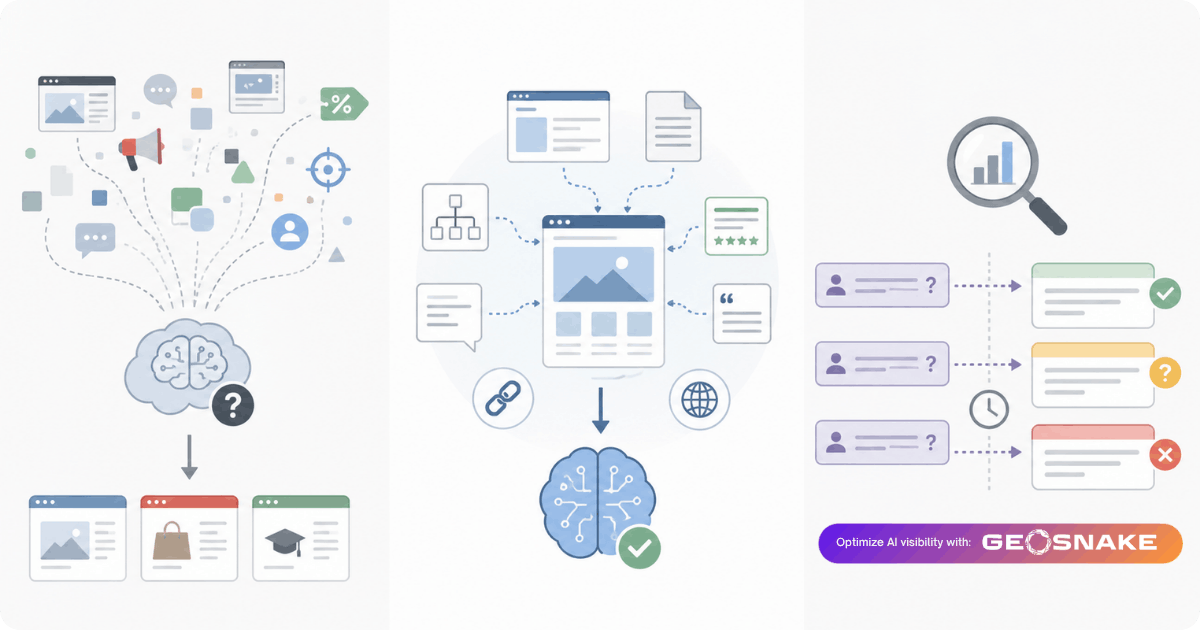
The practical question is simple: can your brand protect what it needs to protect without making itself invisible where buyers now search?
Why crawler controls became a GEO problem
Old SEO had one main crawler conversation: can Googlebot read the page? AI search has more moving parts. One crawler may help train a model. Another may build a search index. Another may fetch a page because a user asked about it. A fourth system may use Google Search, Bing, Brave, or another index without touching your server in the way you expect.
This matters because modern AI answers are often grounded in fresh web sources. Google's Gemini API documentation says Grounding with Google Search connects Gemini to real-time web content and returns citations. The point is not that Gemini works exactly like ChatGPT or Perplexity. The point is that citations now depend on retrieval paths, not just brand awareness.
So blocking every AI-looking user agent is not a serious strategy. It may feel strict, but it is usually blunt. You may stop some training access, but you can also reduce the chance that an answer engine finds, verifies, and cites your best public facts.
Crawler choice | What it controls | Visibility risk |
Block training crawlers only | Whether certain model-training crawlers can collect your public pages. | Usually safer if you still allow search and citation crawlers that can send visibility. |
Block search crawlers | Whether AI search systems can index and surface your pages in answers. | High risk for brands that want ChatGPT or Perplexity citations. |
Block user-fetch agents | Whether some user-requested page fetches can access a URL. | Can break answer accuracy when someone asks about your exact page. |
Allow all crawlers blindly | Maximum access for AI systems with little policy separation. | Can expose content you meant to restrict and create internal governance risk. |
The hidden cost of overblocking
The obvious cost is fewer citations. The less obvious cost is worse brand framing. If AI systems cannot retrieve your official pricing page, product page, help page, comparison page, or customer story, they fill the gap with whatever else is available.
That may be an old directory listing. It may be a competitor comparison. It may be a forum thread. It may be a scraped summary with outdated facts. You did not protect your brand by blocking the official source. You handed the narrative to weaker sources.
This is exactly why Citeler separates model mentions, source evidence, and competitor framing. Run the Citeler free business scan before changing robots.txt. Then compare the same prompts after the change. If mentions drop, citations vanish, or competitors replace your official source, the crawler rule did real damage.
💡Read tip: How do I make my website ready for AI shopping agents?
The right audit is smaller than you think
You do not need a giant AI governance project to start. You need a short list of pages that matter when buyers ask AI for help. For most businesses, that means your homepage, category pages, product pages, pricing page, comparison pages, reviews or case studies, and support pages that explain what you actually do.
Then check whether those pages are readable, consistent, and allowed for the bots that control AI search visibility. Do not let an engineer make this decision alone. This is a commercial decision with legal, content, and growth tradeoffs.
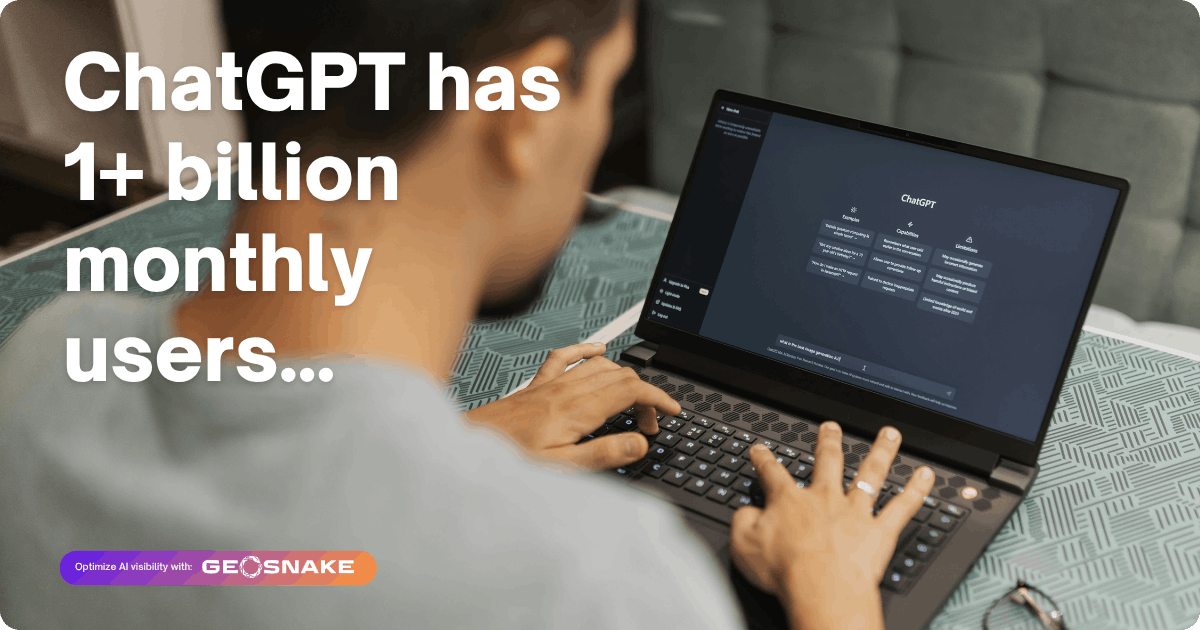
A practical AI crawler visibility audit
Use this sequence before you block or allow AI crawlers across your whole site:
1. List the pages that should be eligible for AI search citations, including product, pricing, comparison, case study, and help pages.
2. Separate training crawlers from search crawlers and user-request fetchers. Do not treat GPTBot, OAI-SearchBot, ChatGPT-User, ClaudeBot, Claude-SearchBot, and PerplexityBot as the same policy choice.
3. Read your robots.txt rules by user agent, not just by file length. A global disallow can override the visibility you thought you preserved.
4. Check server logs for real crawler hits and verify published IP ranges when the provider offers them. A user-agent string by itself can be faked.
5. Run the same buyer prompts across ChatGPT, Claude, Gemini, and Perplexity before and after the change. Track mention, citation, cited URL, framing, and competitor replacement.
That fifth step is where most teams get exposed. They change crawler access, then only check whether the website still loads. That is lazy measurement. The real question is whether the models still use your official facts when a buyer asks a commercial question.
What the OpenAttribution audit adds
The crawler problem is not theoretical. OpenAttribution's 2026 working paper reviewed 24,127 citations across OpenAI, Anthropic, Google, and Perplexity API-based AI search tests. It found that the rate of citations from domains blocking the relevant bot changed sharply depending on whether the audit checked training bots or live-search bots.
That is the business lesson. If you only look at training-bot rules, you may think you understand AI visibility. You do not. The bot that affects model training may not be the bot that affects whether your page can be cited in a current answer.
💡Related: How can my brand own a topic in ChatGPT?
A cleaner policy for most businesses
For public marketing pages, the default should usually be selective access, not panic blocking. Block crawlers tied to training if your policy requires it. Keep search and citation crawlers open for pages you want buyers to discover. Keep private, gated, customer, and internal content out of public crawl paths entirely.
This is not legal advice, and some publishers have a different business model. A news publisher, data seller, or paid research firm may decide that strict blocking is worth the loss of AI search visibility. Most service businesses, ecommerce brands, SaaS companies, clinics, agencies, and local businesses do not have that luxury. They need to be found.
The better rule is simple: do not publish anything publicly that you would panic about an AI system reading, but do not hide your best public facts from the systems buyers use to make decisions.
The takeaway
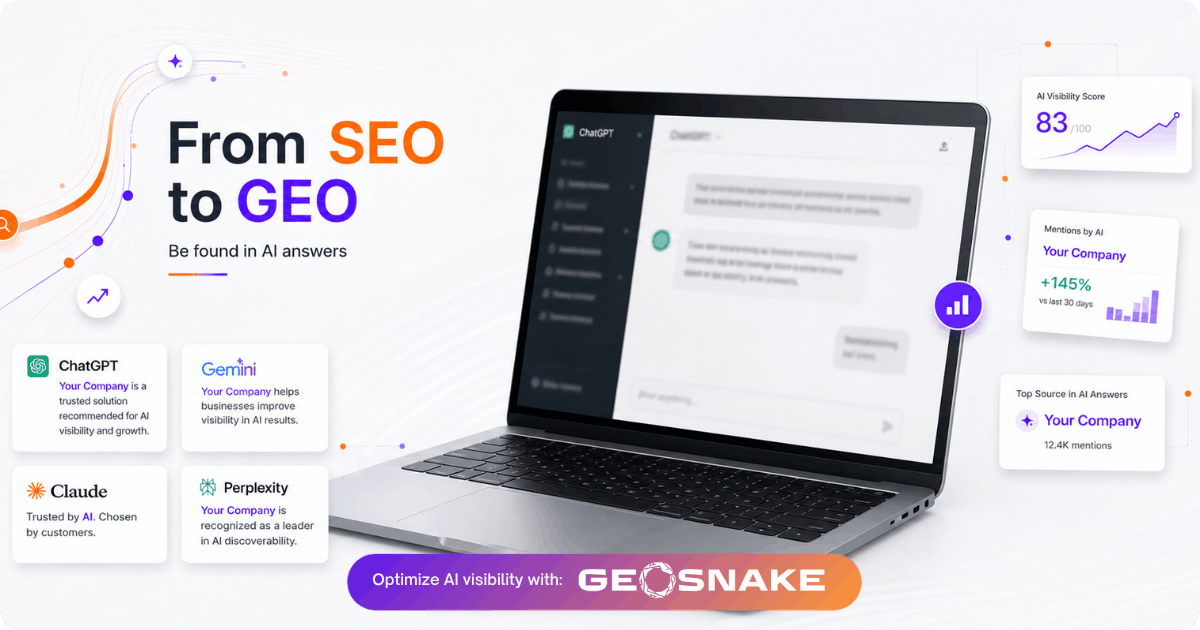
AI crawler controls are no longer a back-office technical detail. They decide whether models can find your official story or have to guess from weaker sources. If you treat every AI crawler as the same threat, you will block useful visibility along with unwanted training access.
Start with a Citeler free business scan. See where your brand is mentioned, which sources the models trust, and where your official pages are missing. Then use Citeler Prompt Lab to retest the buyer prompts that matter before and after crawler changes. Guessing here is expensive.
FAQs
Should I block GPTBot if I want ChatGPT citations?
Blocking GPTBot does not automatically block ChatGPT search visibility. OpenAI documents GPTBot and OAI-SearchBot as separate crawlers with different jobs. If you want ChatGPT search eligibility, review OAI-SearchBot separately.
Does allowing AI search crawlers mean my content trains models?
Not always. Providers separate crawler purposes in different ways. OpenAI and Perplexity both describe search or indexing bots separately from model-training use. Read each provider's documentation before setting a blanket rule.
What should I measure after changing robots.txt?
Measure whether AI systems can still mention your brand, cite your preferred pages, describe your offer correctly, and avoid replacing your source with a competitor or outdated third-party page.